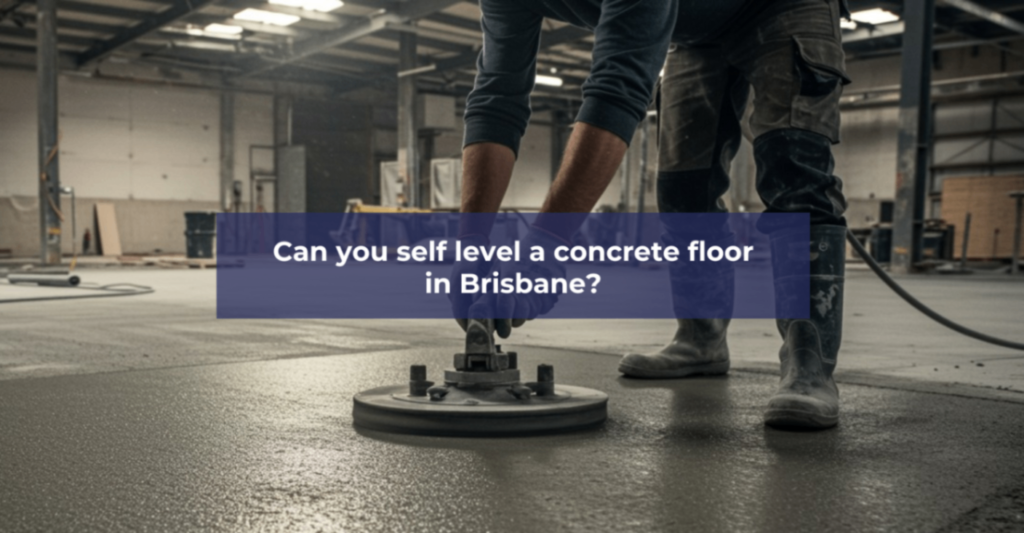
Can you self level a concrete floor in Brisbane?
Introduction Have you ever wondered if you can tackle floor levelling on your own? An uneven concrete floor can be a real headache, especially when you’re planning to install new flooring. The good news is that for many Brisbane homeowners, a DIY approach is entirely possible. Proper floor preparation is the first and most important step toward a beautiful, long-lasting floor. This guide will walk you through whether you can self-level your concrete floor and how to achieve a professional-looking result. Understanding Self Leveling Concrete Floors in Brisbane Tackling an uneven concrete floor on your own can seem daunting. For minor dips and small rooms, a DIY self-levelling project is often a practical solution. However, for significant slopes or structural issues in your South East Queensland home, hiring a professional is the safer bet to ensure your new floor coverings sit perfectly. Deciding between DIY and professional help depends on the condition of your uneven concrete. If the floor has only minor imperfections, you might be able to handle it yourself. But for more complex problems, an expert can save you time and prevent costly mistakes. What Is Self Leveling Concrete and When Is It Used? Self-levelling compound is a game-changer for floor levelling projects. It’s a cement-based dry powder that you mix with water to create a liquid solution. When you pour it onto a prepared concrete slab, it flows out and, as the name suggests, finds its own level, creating a smooth, flat surface. This process is far simpler than trying to perfectly trowel a traditional cement mix. This type of compound is used to correct minor undulations, fill hollows, and smooth out a concrete slab before installing new flooring. Most flooring types, like laminate, vinyl, and even epoxy flooring, require a perfectly flat surface to prevent issues like cracking or uneven wear. Using a self-levelling compound is a crucial preparation step to ensure the final finish is flawless. If you’re dealing with small imperfections of less than 10 mm on a generally flat floor, a self-levelling compound is the ideal solution. It prepares the surface for a variety of floor coverings, ensuring they look great and last for years to come. Is DIY Floor Leveling Suitable for Brisbane’s Homes? Wondering if you can handle floor levelling in your Brisbane home? For many situations, the answer is yes. If you are preparing for a new floor and find your concrete subfloor has minor dips—generally less than 5 mm—a DIY project is well within your reach. This is especially true for smaller rooms or localized hollows that need smoothing out. However, not all uneven floors are suitable for a DIY fix. Older homes in Brisbane can sometimes have more significant issues, like slabs that slope more than 10 mm across a room or have structural movement. In these cases, the problem is more than surface-deep. Pouring a compound over a flexing or severely sloped floor will likely lead to cracking and failure. Before you start, assess your floor with a long straightedge. If the gaps are small and the floor is stable, you’re good to go. For larger problems, or if you notice signs of moisture, calling in a professional for an expert installation is the wisest move to protect your investment. Essential Tools and Products for Self Leveling a Concrete Floor To get that perfectly level floor surface, you need the right gear. From mixing the dry powder to spreading it evenly, having the correct tools makes the entire process smoother and more effective. You’ll need items for preparation, mixing, and application. Gathering your tools before you start is key. A powerful drill for mixing, a gauge rake for spreading, and a spike roller for releasing air are non-negotiables. We’ll look at the essential tools you’ll need and some popular self-levelling compounds available in Brisbane. Common Tools You’ll Need for Self Leveling Successful concrete floor preparation starts with having the right tools on hand. You don’t want to be scrambling for a tool mid-pour when the clock is ticking. For a DIY trowel job, a few key items are essential to get a result that rivals the pros. Before you even think about mixing, make sure you have everything laid out and ready to go. The most crucial part of the process is working quickly and efficiently once the compound is mixed, and having your tools ready is a big part of that. Proper concrete grinding may be needed for any high spots before you begin. Here’s a list of must-have tools for your project: A 2m straightedge or long spirit level to identify dips A clean 20L bucket and a paddle mixer attachment A powerful corded drill for mixing the compound A spike roller to remove air bubbles A gauge rake or smoothing trowel to help spread the compound Gloves, safety glasses, and a respirator mask Popular Self Leveling Compounds Available in Brisbane Choosing the right self-levelling compound is just as important as having the right tools. In Brisbane, you can find several high-quality products designed for concrete floors. These compounds are formulated for features like high compressive strength and low shrinkage, which prevents cracking as the product cures. The basic process for using any bag of compound is similar: mix the powder with water according to the manufacturer’s instructions and pour. However, different products have unique characteristics. Two popular options available in the Brisbane area are Bostik Ultra Level C500 and Cemimax DL59. Both are reliable choices for concrete subfloors. It’s crucial to pair your compound with the recommended primer from the same brand. The primer creates a strong bond and ensures the compound cures correctly. Product Name Key Features Best For Bostik Ultra Level C500 Pourable, requires primer Smoothing concrete slabs Cemimax DL59 Pumpable, high-flow General purpose concrete levelling Step-by-Step Guide to Self Leveling a Concrete Floor in Brisbane Ready to transform your uneven floor? This step-by-step guide breaks down the entire process of concrete floor levelling to ensure a successful installation. Following these
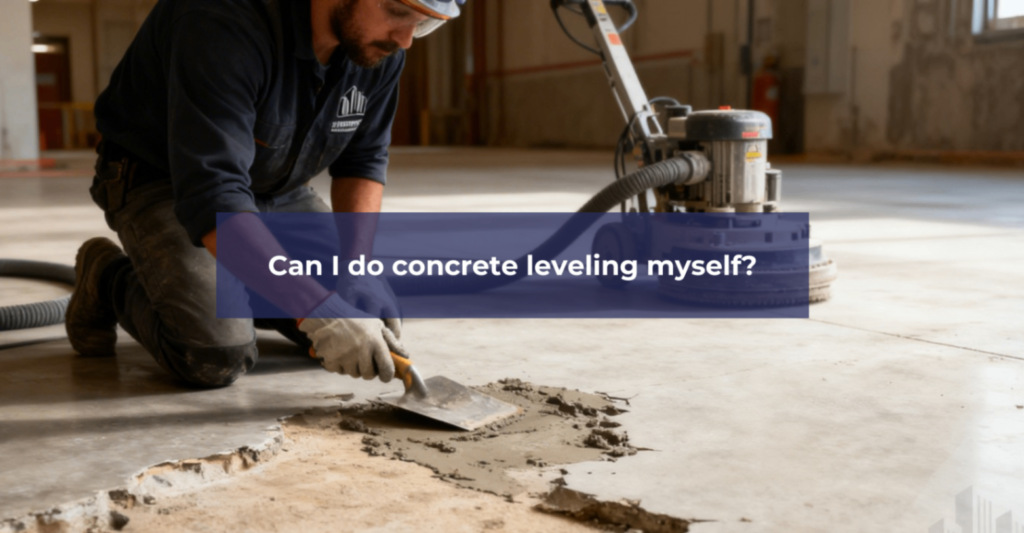
Can I do concrete leveling myself?
Introduction Have you noticed your concrete slab isn’t as smooth as it used to be? Uneven floors can be more than just an eyesore; they can be a safety hazard. You might be wondering if you can tackle concrete leveling on your own. The good news is that with the right tools and guidance, a DIY approach using a self-leveling compound is often possible. This article will guide you through the process, helping you decide if this project is right for you and how to achieve a professional-looking result. Understanding DIY Concrete Leveling Before you jump into a DIY concrete leveling project, it’s important to understand what it involves. This type of concrete repair isn’t just about pouring new material; it requires careful preparation of the existing concrete slab and choosing the right products, like a self-leveling compound, to achieve a smooth finish. Knowing the basics can help you determine if you have the skills and patience for the job. We will explore what concrete leveling is, why it’s necessary, and the common issues that cause uneven surfaces in the first place. What Is Concrete Leveling and Why Does It Matter? Concrete leveling is the process of correcting an uneven concrete surface. Over time, a slab can settle or shift, creating frustrating low spots and high areas. The goal of leveling is to create a flat and stable level surface, which is crucial for safety and for installing new flooring like tile or carpet. Why is this so important? An uneven floor is a tripping hazard and can cause problems with furniture placement and even affect how doors open and close. For any flooring installation to look its best and last a long time, it needs a perfectly flat base. The basic steps to level concrete at home involve cleaning the surface, priming it, mixing a self-leveling compound, and pouring it over the low spots. The compound flows and settles, creating a new, level surface on your slab. Common Causes of Uneven Concrete Surfaces in Brisbane If you have uneven concrete, you might be wondering how it happened. Several factors can lead to this issue, especially in a place like Brisbane. Understanding the root cause is the first step in deciding whether you can fix it yourself. Many times, the problem lies beneath the slab. For instance, soil that wasn’t properly compacted before the concrete was poured can settle over time, creating voids. This lack of support causes the concrete to sink and become uneven. Yes, you can often fix uneven concrete floors yourself if the issue is minor. Here are some common culprits: Soil Erosion: Water runoff can wash away the soil under the slab, creating voids and causing it to settle unevenly. Moisture Fluctuations: Changes in moisture levels can make the soil expand and contract, leading to surface shifts. Tree Root Growth: Growing tree roots can push up on a slab from below, causing it to lift and crack. Poor Compaction: If the soil base wasn’t packed down tightly initially, it can settle over time, causing the concrete above to become uneven. You might notice this as gaps between the floor and your baseboards. Risks and Challenges of Uneven Concrete Floors Living with uneven concrete floors poses more than just an aesthetic problem; it introduces several risks. The most immediate concern is safety. Slanted or bumpy surfaces create significant tripping hazards, which are especially dangerous for children, the elderly, or anyone with mobility issues. Beyond the immediate safety risk, uneven concrete can cause problems for your home. It can lead to drainage issues, with water pooling in low spots and potentially causing damage to your foundation. Furthermore, it can make installing new flooring nearly impossible, as materials like tile and wood require a flat surface to be installed correctly. One common mistake to avoid during a DIY repair is failing to prepare the surface properly. You must ensure the area is clean and free of debris. Another tip is to always wear appropriate safety gear, as working with concrete materials can expose you to dust and chemicals. Deciding If DIY Concrete Leveling Is Right for You So, you’re considering a DIY concrete repair. For many homeowners, leveling a floor can be a manageable project, especially if the unevenness is minor. With the right preparation and materials, you can achieve a great result and save on costs. This hands-on approach can be very satisfying. However, it’s crucial to be realistic about the scope of the job. Some situations are better left to the professionals. We’ll help you identify the signs that your concrete needs leveling and understand when it’s time to call for professional help. Identifying Signs That Your Concrete Needs Leveling How can you tell if your concrete slab truly needs leveling? Sometimes the signs are obvious, but other times they’re more subtle. Paying attention to these indicators can help you catch problems early before they become bigger issues, especially before laying a new underlayment for flooring. One of the easiest ways to check is by simple observation. Look for visible cracks, dips, or high spots on your existing concrete floor. If water pools in certain areas after a spill or cleaning, that’s a clear sign of low spots. You can also watch for these signs: Visible cracks or sloping: You can see with your own eyes that the floor isn’t flat. Gaps: Noticeable gaps appear between the floor and the walls or baseboards. Flooring issues: If you have flooring installed, it might start to buckle, or tiles may crack. Doors and windows stick: Doors that swing over the area may jam or not close properly, indicating a shift in the foundation. When Should You Consider Professional Help? While DIY concrete repair is possible for minor issues, there are times when calling for professional help is the smarter, safer choice. If you’re dealing with extensive damage, large areas, or signs of structural problems, it’s best to consult an expert. Many companies offer a free estimate, so you
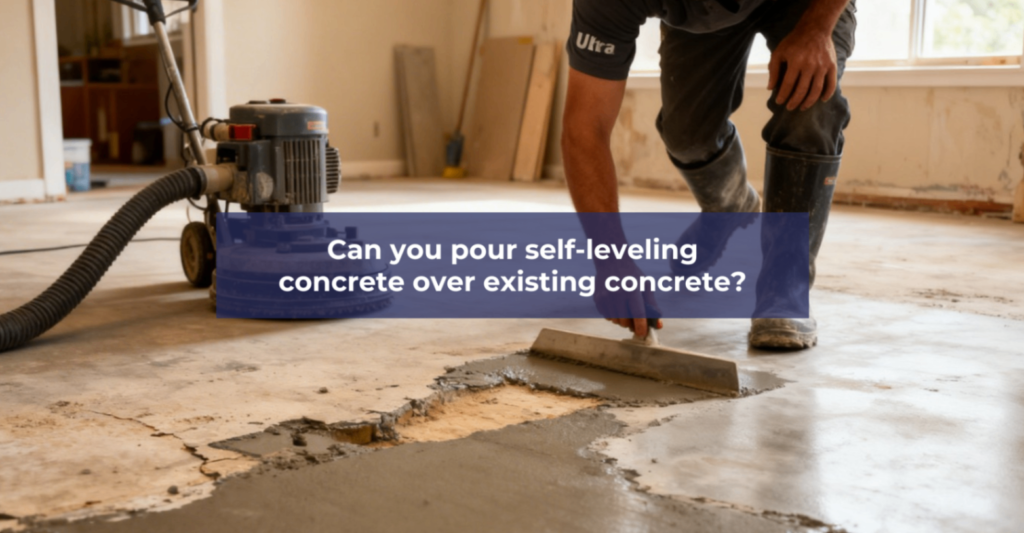
Can you pour self-leveling concrete over existing concrete?
Introduction Are you dealing with an uneven concrete floor and wondering if there’s an easy fix? Pouring self-leveling concrete over an existing concrete slab is a popular and effective solution. For homeowners and renovators in Brisbane, achieving a perfectly level surface is crucial, especially with modern flooring trends that demand a flawless foundation. This guide will walk you through everything you need to know about this concrete leveling technique, helping you decide if it’s the right choice for your project. Understanding Self-Leveling Concrete and Its Use in Brisbane Self-leveling concrete is a cement-based mixture that is gaining significant popularity among Brisbane property owners. It’s a go-to solution for creating a smooth surface over a damaged or uneven concrete slab without the intensive labor of traditional methods. Its versatility makes it suitable for local conditions, whether you’re renovating a basement or preparing a floor for new coverings. This new layer of concrete provides a perfectly flat base, ready for whatever finish you have in mind. Let’s explore what this material is and how it can benefit your space. What Is Self-Leveling Concrete and How Does It Work? Self-leveling concrete is a specialized polymer-modified concrete mix designed to flow easily and create a smooth, level surface with minimal effort. Unlike a traditional concrete mix, it has a more liquid consistency when mixed with water, allowing it to spread out and fill in low spots on its own. You can pour it directly over an existing floor, but only after proper preparation. The magic behind this material lies in its chemical composition. The wet concrete mix contains polymers that enhance its flowability and adhesion. When poured, gravity helps the mixture settle into a flat, uniform layer. This process corrects imperfections in the underlying slab. For the best outcome, it’s crucial to follow the manufacturer’s instructions precisely. Proper mixing, application, and curing are key to achieving a durable and perfectly level surface that is ready for your choice of floor coverings. Benefits of Using Self-Leveling Concrete Over Existing Concrete Floors Using a self-leveling compound over an existing concrete floor offers numerous advantages. It is an effective solution for creating a perfectly smooth surface, which is essential for installing modern flooring like tile, laminate, or vinyl. Getting the best results starts with following best practices, such as thorough surface preparation and priming. This method saves considerable time compared to traditional leveling techniques. It’s also incredibly versatile and provides a strong, durable finish. Key benefits include: Fast Installation: The material sets quickly, often allowing for foot traffic within a few hours. Smooth Finish: It automatically fills dips and low spots, resulting in a flawless surface. Adaptability: It works well on various uneven areas, both indoors and outdoors. Compatibility: It creates a suitable base for most types of floor coverings. Whether you’re a DIY enthusiast or a professional, this method simplifies the process of floor renovation, delivering a high-quality, professional-grade finish with ease. Common Situations Where Self-Leveling Concrete Is Recommended Self-leveling concrete is a versatile solution for a wide range of applications where uneven surfaces are a problem. It’s commonly used in both residential and commercial settings to correct uneven floors before installing final flooring. Whether you’re dealing with a new construction project or a renovation, this material can be a lifesaver. Yes, you can absolutely use it to fix an uneven basement floor, which is one of its most popular applications. Other common scenarios where self-leveling concrete is highly recommended include: Leveling uneven floors in garages or basements to prepare for new flooring or coatings. Smoothing out a rough or damaged outdoor concrete patio to create a more usable space. Correcting settlement issues in older buildings before a renovation. Creating a flat surface in commercial spaces to meet safety and aesthetic standards. Its ability to fix uneven concrete quickly and efficiently makes it an ideal choice for projects that require a fast turnaround without compromising on quality. Assessing the Condition of Your Existing Concrete Floor Before you even think about mixing your self-leveling compound, it’s vital to assess the condition of your existing concrete floor. The success of your project hinges on the stability and cleanliness of the base. Ignoring this step can lead to a host of problems down the line. Any surface damage, significant cracks, or deep pockets of uneven concrete can compromise the adhesion and longevity of the new layer. In the following sections, we’ll discuss how to identify these issues and determine if your concrete surface is a suitable candidate for an overlay. Identifying Surface Damage, Cracks, and Unevenness A thorough inspection of your concrete floor is the first step in surface preparation. You need to carefully look for any signs of surface damage, such as cracks, chips, spalling, or significant unevenness. These imperfections must be addressed before you can apply a self-leveling compound. Identifying these issues early allows you to take corrective action. Small cracks can often be filled with a concrete repair product, but larger, structural cracks might indicate a more serious problem with the foundation. For minor cracks and holes, use a quality patching compound and allow it to cure completely. If you find large, deep, or shifting cracks, it’s best to call a professional to assess the structural integrity of your concrete floor. Use a long, straight edge or a level to identify high and low spots contributing to the unevenness. Addressing these problems ensures that your new surface will be smooth, durable, and long-lasting, giving you the best possible results. Determining Suitability for a Self-Leveling Concrete Overlay Once you’ve identified any damage, you must determine if the existing concrete surface provides a suitable, stable base for the new concrete layer. A common reason self-leveling concrete fails is being applied to an unstable or improperly prepared substrate. The old concrete must be structurally sound. You should also check for moisture issues. A simple test involves taping a plastic sheet to the floor for 24 hours; if condensation forms underneath, you have a moisture problem that needs to
What is the best way to level a concrete floor in Brisbane?
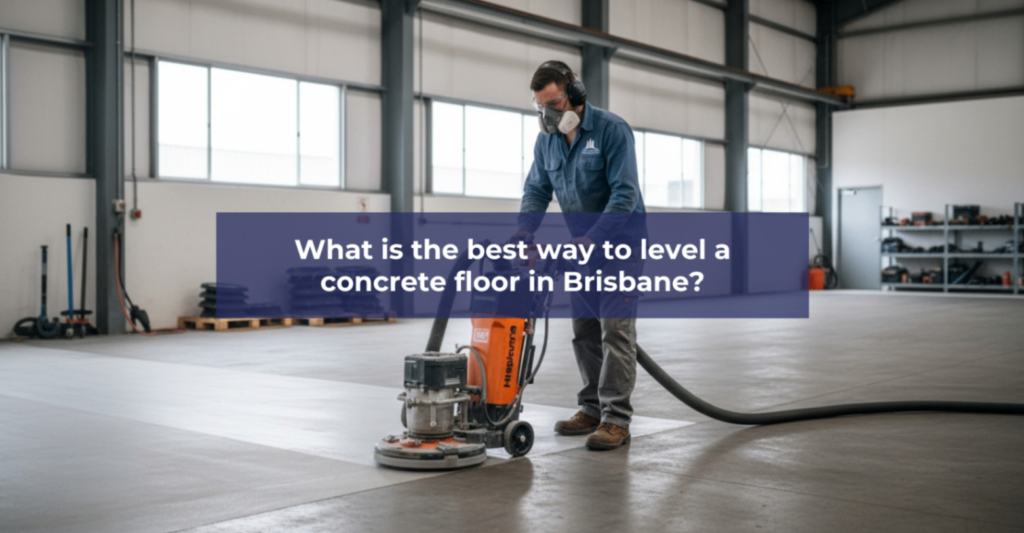
Introduction Dealing with an uneven concrete floor can be a real headache, especially when you’re planning to install new flooring. A smooth, level base is essential for a professional finish and long-lasting results. This guide will walk you through the best way to tackle floor leveling in Brisbane. We’ll cover everything from why it’s important to the step-by-step process of fixing those uneven surfaces. With the right techniques and materials, you can create a perfect foundation for any room in your home. Understanding Concrete Floor Leveling in Brisbane Concrete floor leveling is the process of creating a flat and even surface from an uneven concrete base. This might involve concrete grinding to remove high spots or applying a compound to fill in depressions. The goal is to prepare the floor for a new covering or simply to make it safer and more functional. For Brisbane homeowners, understanding this process is the first step toward a successful home improvement project. Whether you’re renovating your living space or finishing a basement, getting the floor right is a crucial step. We’ll now look at why this is so important and what causes these issues in the first place. Why Leveling Concrete Floors is Important for Brisbane Properties A level floor does more than just look good; it’s vital for the structural integrity of your property. Uneven floors can be a sign of underlying issues and can lead to problems like cracks in your walls or doors that don’t close properly. Creating a stable surface is the most effective way to level a concrete floor in Brisbane homes, as it prevents these long-term structural concerns. Beyond the structural benefits, leveling significantly improves the aesthetic appeal of your space. It provides the perfect canvas for your new floor, whether you’re installing tiles, hardwood, or carpet. A flat base ensures your flooring sits correctly, without gaps or bumps, giving you a polished, professional finish that enhances your home’s look. Ultimately, a level floor is a safer floor. Uneven surfaces are a tripping hazard, especially for children and the elderly. By creating a smooth and stable surface, you make your home safer for everyone. It also makes cleaning easier, as level floors collect less dust and debris in low spots. Common Causes of Uneven Concrete Floors in Queensland Homes Have you ever wondered why your concrete floors have become uneven? In Queensland, several factors can contribute to these frustrating uneven surfaces. Understanding the root cause is essential to prevent future problems and avoid common mistakes when leveling your floor. One of the most frequent culprits is the soil beneath your home. Water runoff from heavy Brisbane rains can erode the soil under the concrete slab, creating voids and causing it to settle unevenly. Similarly, tree roots growing under the foundation can exert pressure, pushing sections of the concrete upward. These issues can lead to structural damage if not addressed. Here are some common causes: Soil Erosion and Settling: Improper drainage can wash away the soil supporting your concrete slab. Poor Initial Soil Compaction: If the ground wasn’t compacted correctly before the concrete was poured, it can settle over time. Moisture Fluctuations: The soil can expand and contract with changes in moisture, leading to an uneven surface. Tree Root Growth: Growing roots can lift and crack the concrete from below. Assessing If Your Concrete Floor Needs Leveling Before you start any project, you need to determine if your floor actually needs leveling. An uneven concrete slab can cause a range of issues, from cosmetic flaws to safety hazards. Taking the time to properly assess the situation will help you decide on the best course of action. A thorough inspection will reveal whether you’re dealing with minor imperfections or more significant problems. By checking for signs of an uneven concrete surface, you can understand the extent of the work required to achieve a perfectly level surface. Let’s explore how to spot these signs and the tools you can use to measure flatness. Signs and Symptoms of an Uneven Concrete Floor Identifying an uneven floor often starts with simple observation. Before preparing a concrete floor for leveling, look for visual cues that something isn’t right. You might notice water pooling in certain spots after cleaning, which is a clear indicator of low spots in the concrete. Another telling sign relates to your existing floor coverings or room features. If you see gaps between your baseboards and the floor, or if doors and windows have started to stick, it could be due to shifts in the foundation caused by an uneven slab. These uneven areas can also cause your furniture to wobble. Here are a few key signs to watch for: Visible cracks, humps, or depressions on the surface. Water collecting in specific spots, indicating low areas. Gaps appearing between the floor and your walls or baseboards. Doors that no longer open or close properly. Tools and Methods to Check Floor Flatness Once you’ve spotted the signs, you’ll need the right tools to confirm and measure the unevenness. A simple but effective method is using a long, straightedge tool. Lay it across the floor and look for any gaps between it and the concrete. This will help you identify both high and low spots accurately. For larger areas, a laser level is an excellent tool. It projects a perfectly straight line across the room, making it easy to see variations in height. This can help you determine if floor grinding is necessary to take down high spots before applying any leveling compound. These tools provide precise measurements, ensuring you know exactly what you’re dealing with. Here’s a look at some common tools for checking floor flatness: Tool How It Works Spirit Level A basic tool that uses a bubble to show if a surface is perfectly horizontal. Good for smaller areas. Straightedge A long, flat bar used to identify gaps and high spots across a wider surface. Laser Level Projects a precise laser beam to detect height variations, ideal for
teste 2
teste 1
Hello world!
Welcome to WordPress. This is your first post. Edit or delete it, then start writing!